

Veblen House
“A Nature Museum and Library” -
As quoted from the will of Elizabeth Veblen
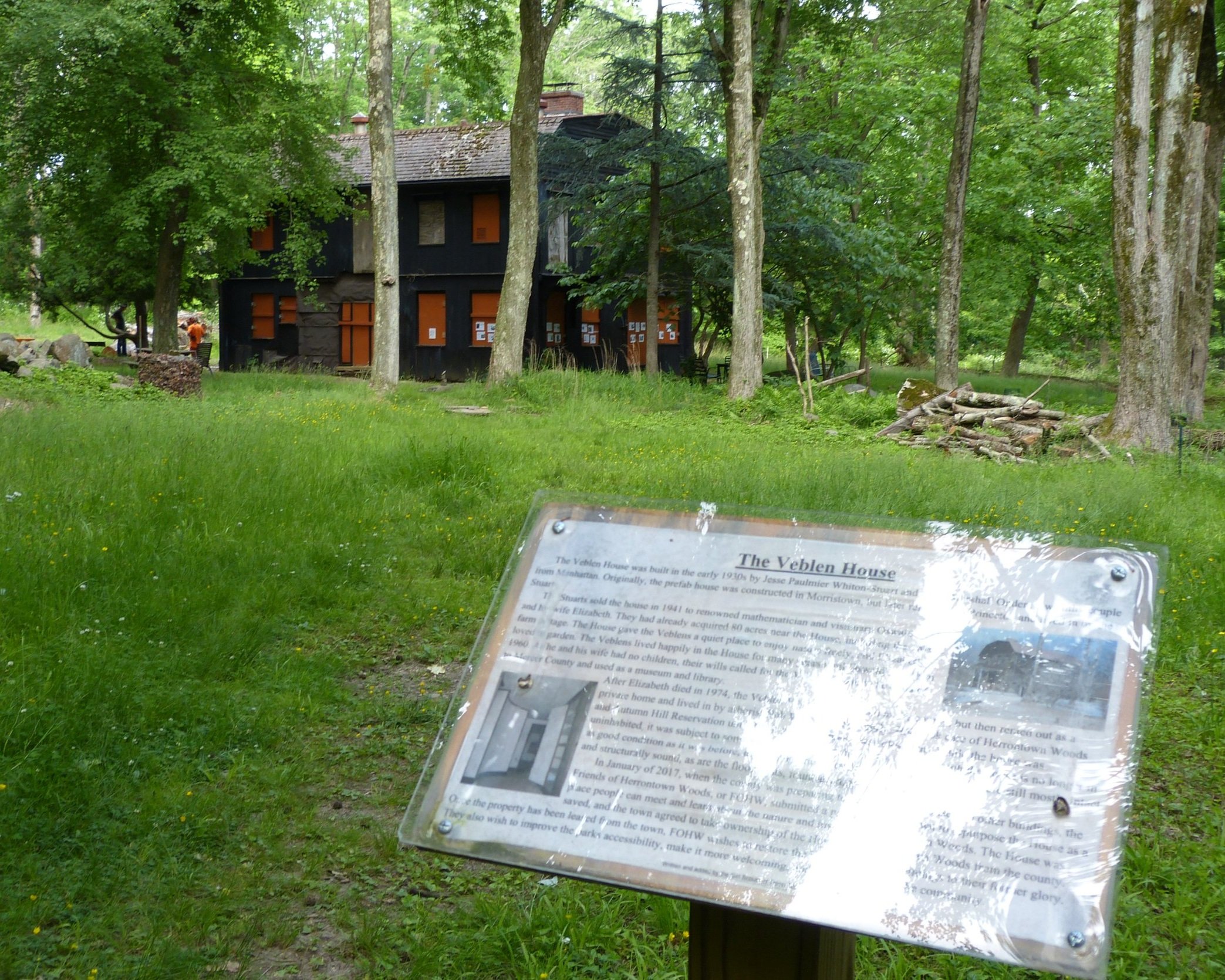
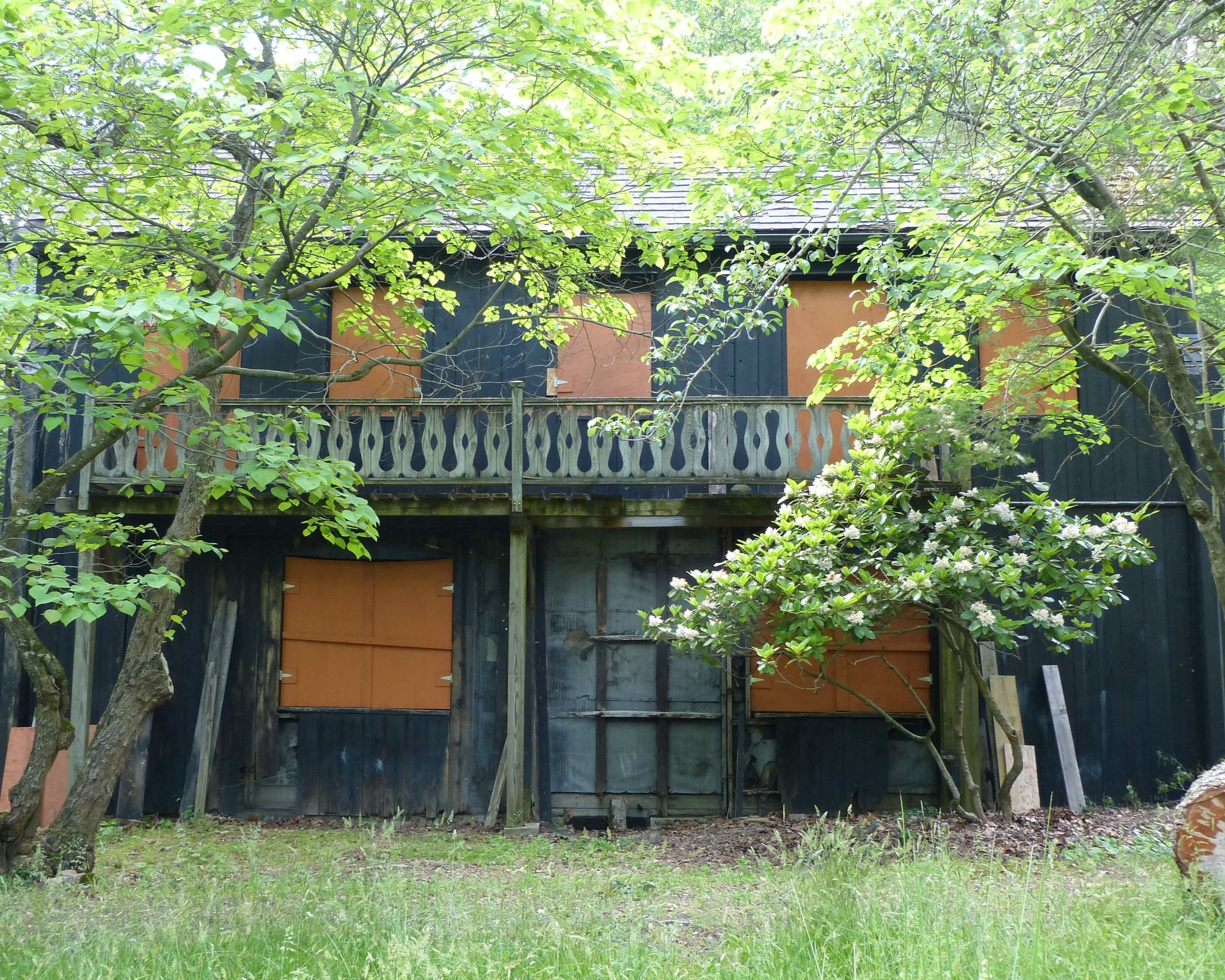
The Veblen House is located on a lovely wooded site in eastern Princeton, NJ, on the edge of the nearly 100 acres of forest the Veblens donated to Mercer County to create Princeton's first nature preserve, Herrontown Woods.
An early prefab dating back to the 1920s, what would become the Veblen House was moved to Princeton from Morristown by Jesse Paulmier Whiton-Stuart and his wife, Mary Marshall Ogden, in 1930. They later sold the house to the Veblens, who also owned the 1875 farm cottage nearby. Einstein and others of considerable fame frequently visited the Veblens. After Elizabeth Veblen's death in 1974, the house was donated to Mercer County with the expressed desire that it become a nature museum and library. The county then rented it out until 1998, at which point it was boarded up.
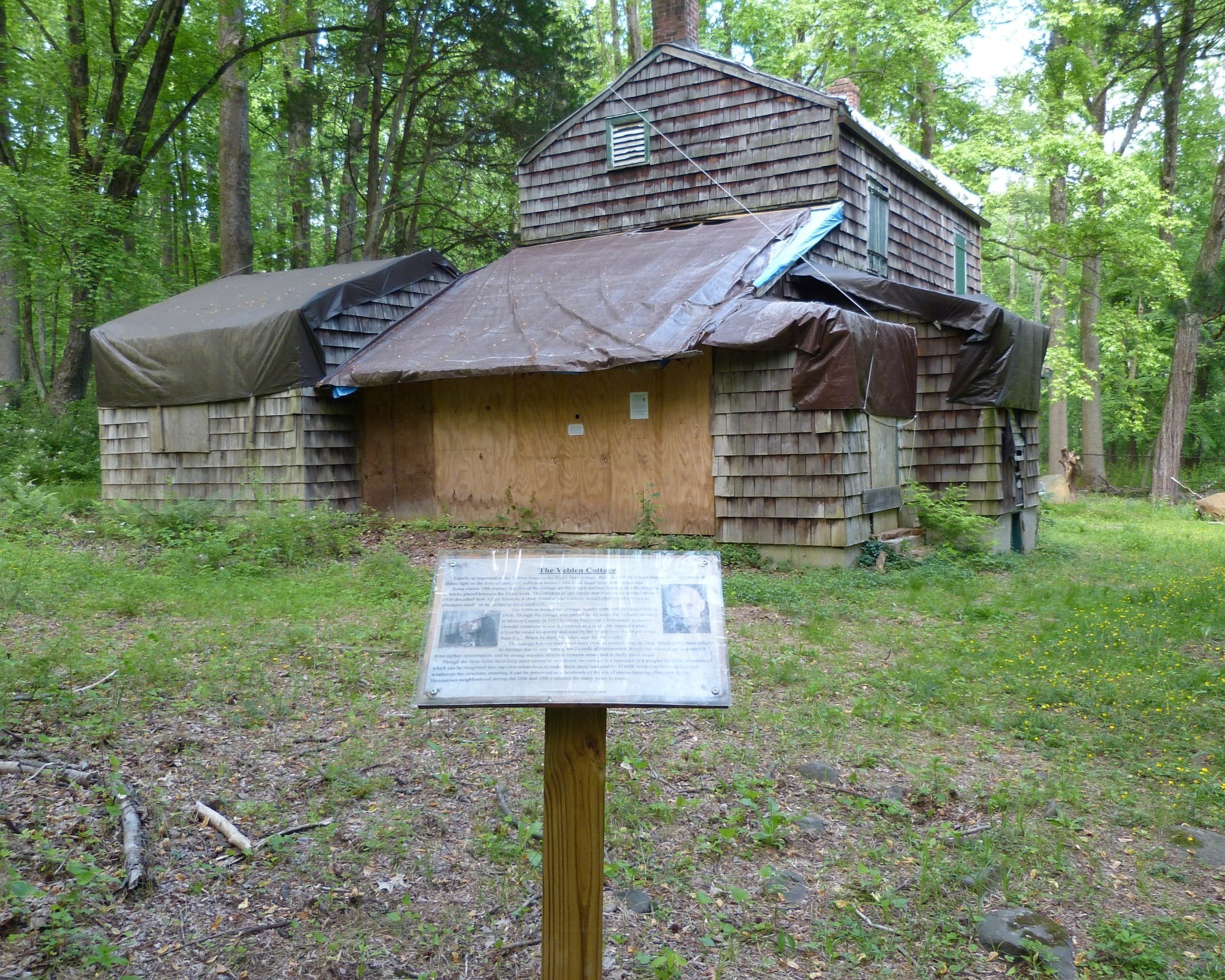
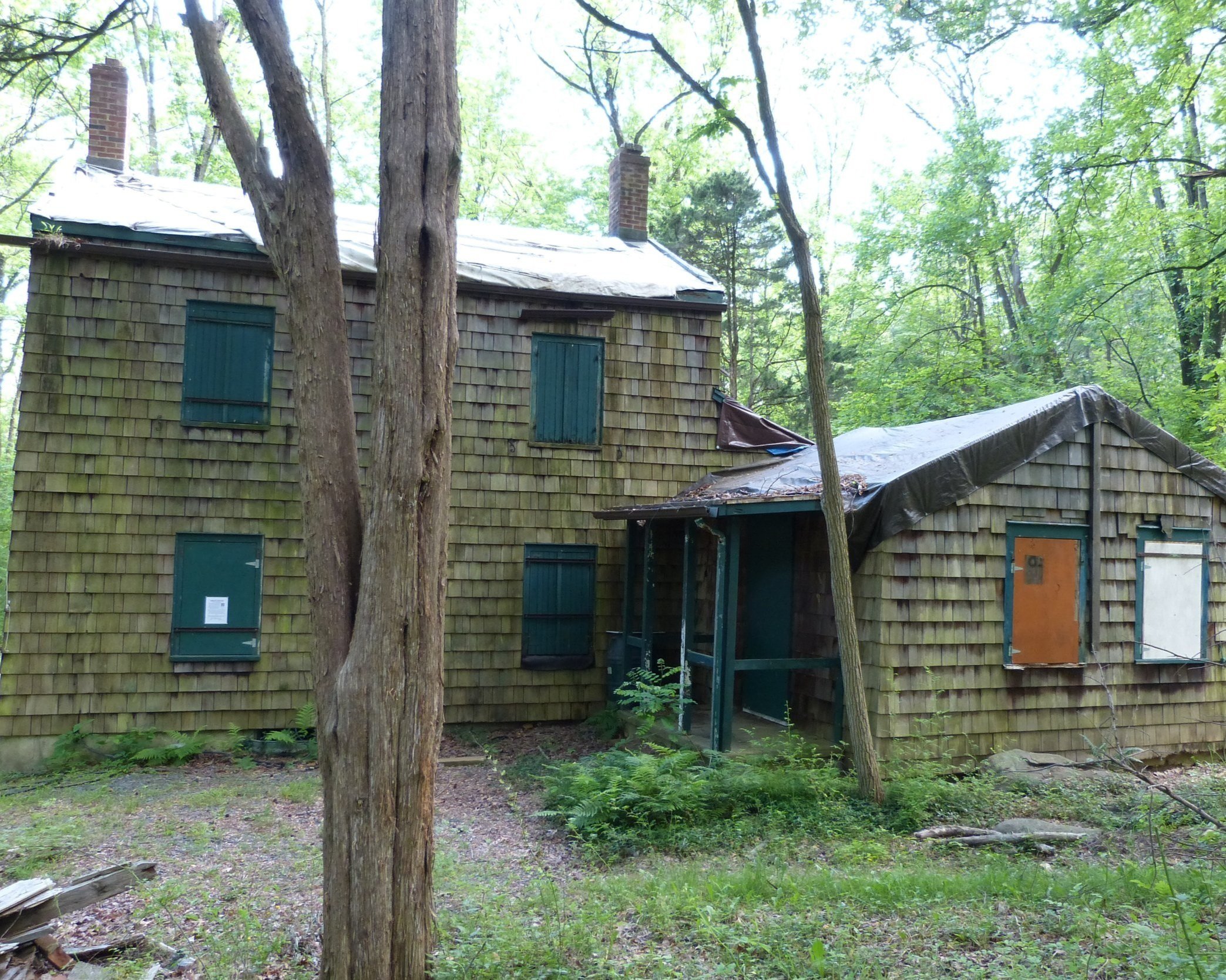
Up a short path from the Veblen House is the 1875 Douer farm cottage, a small barn, and a corn crib. This is the building people see when they hike the trails of Herrontown Woods, and it's often mistaken for the Veblen House. The Veblens acquired this site several years before acquiring the nearby house. It served primarily as Veblen's study—a place where he could get away, sit next to the woodstove, and read. Descendants of a family that lived there in the 1930s say that Einstein would sometimes wander by and be invited in for a sandwich.
Click here if you’d like to learn more about the history of the Veblen House and the Cottage.
Our Plans for Restoration
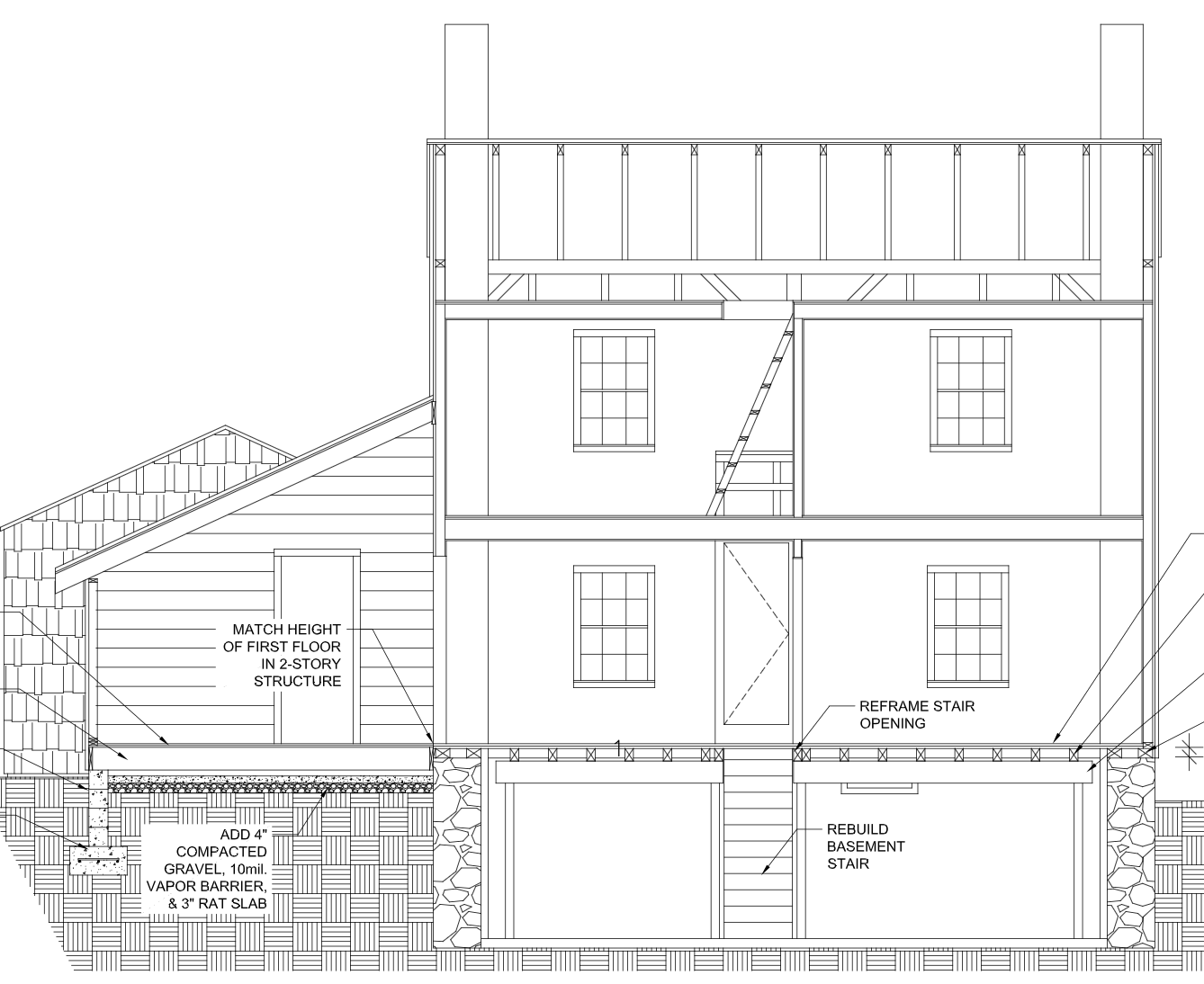
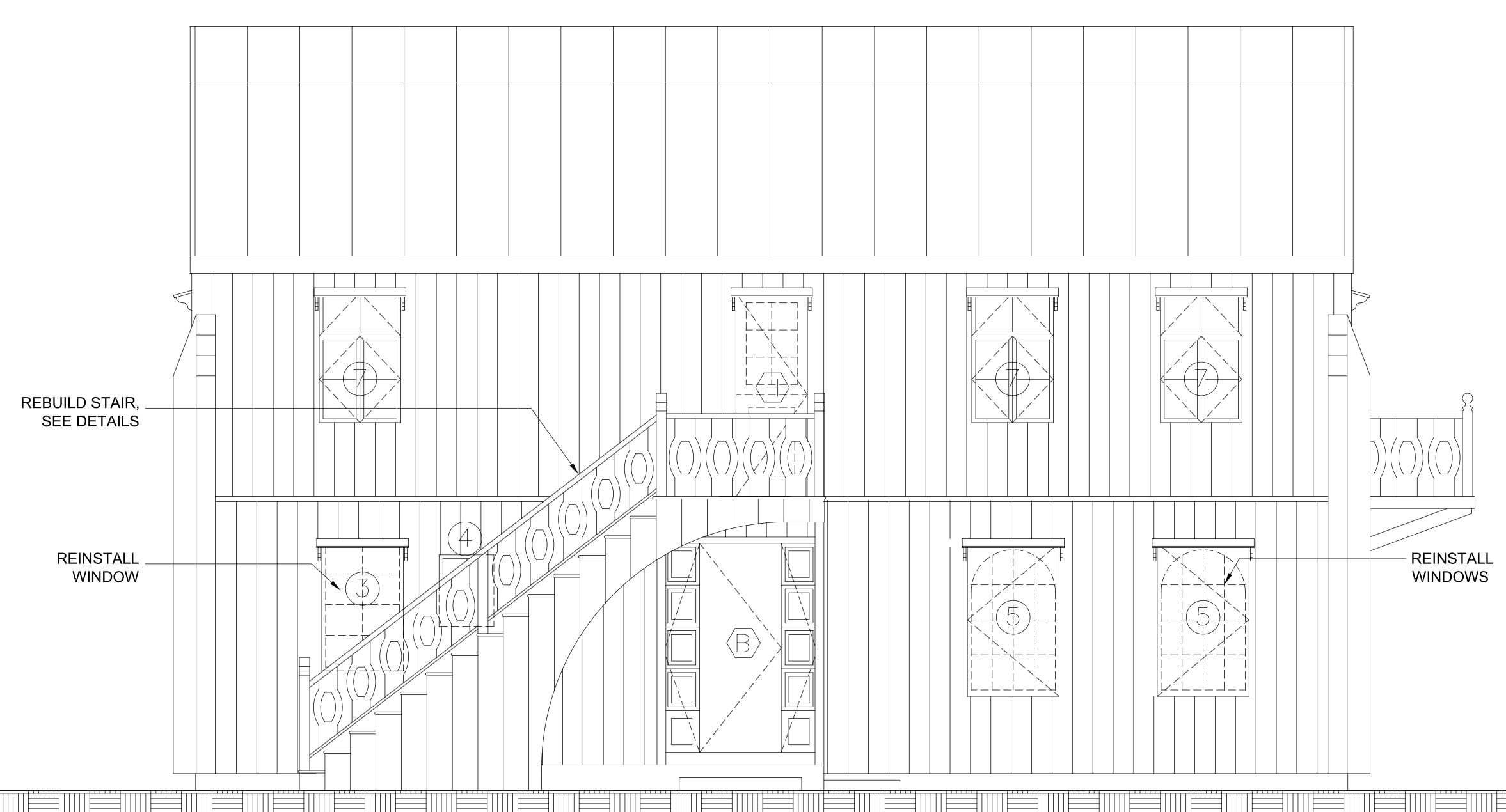
In 2025, FOHW acquired the services of a new architect. Our go-to builder is now available again, and several key volunteers have come on board, with experience at Habitat for Humanity and McCarter Theater to help with the build.
The vision today is very much in line with the visions expressed in the 1950s and '70s. The Friends of Herrontown Woods keeps the trails open, manages the preserve for native plant diversity, hosts yoga classes during warmer months, along with events that promote learning and community. We see the House as a place for meetings, talks, and other gatherings. The Cottage, where Oswald Veblen would read, or hang out with Einstein and other friends, is envisioned as a place for nature study, books, games, and displays about the preserve's history.
The Veblens were not self-aggrandizing. Though they certainly could have, they didn't name the preserve after themselves. They deserve many times over to be known and remembered, and so it is fitting that the museum component not only be about nature, but also about the Veblens and those who came before them: the Whiton-Stuarts who moved the House to Princeton from Morristown, and the small-holder farmers who built the Cottage. These varied histories run the gamut from wealth to subsistence farming, from great intellect to physical labor. These are the stories that have drawn us to these very patient buildings, and moved us to make something of them for Princeton and beyond.